
EASEing the Road for Survivors: CH Oncology and Others Meet with Rep. Dr. Schrier to Advocate for Cancer Rehab
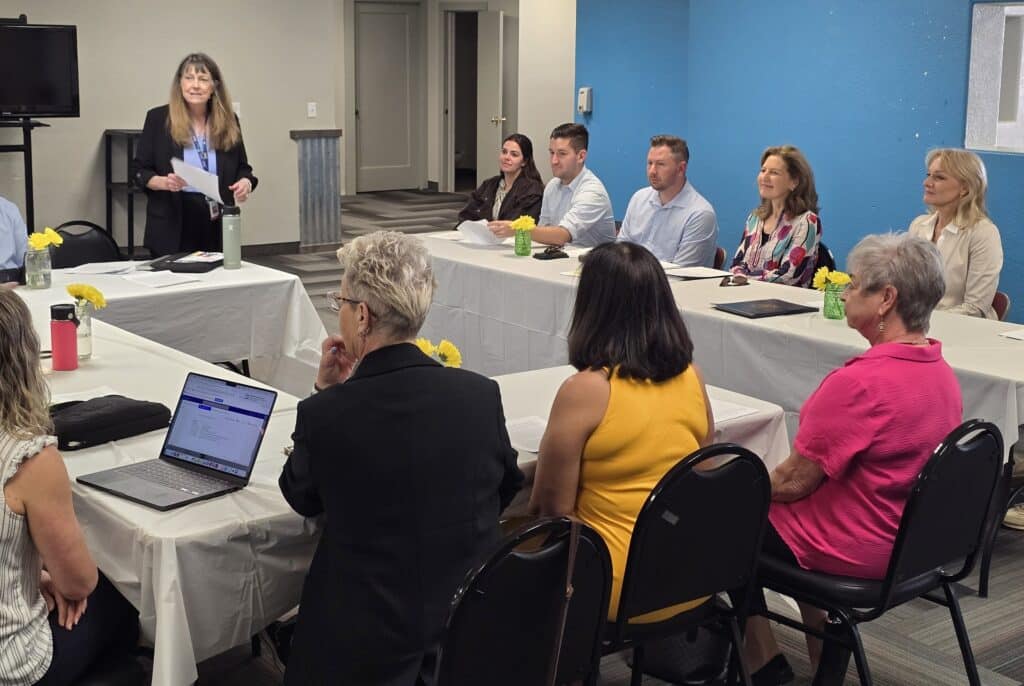
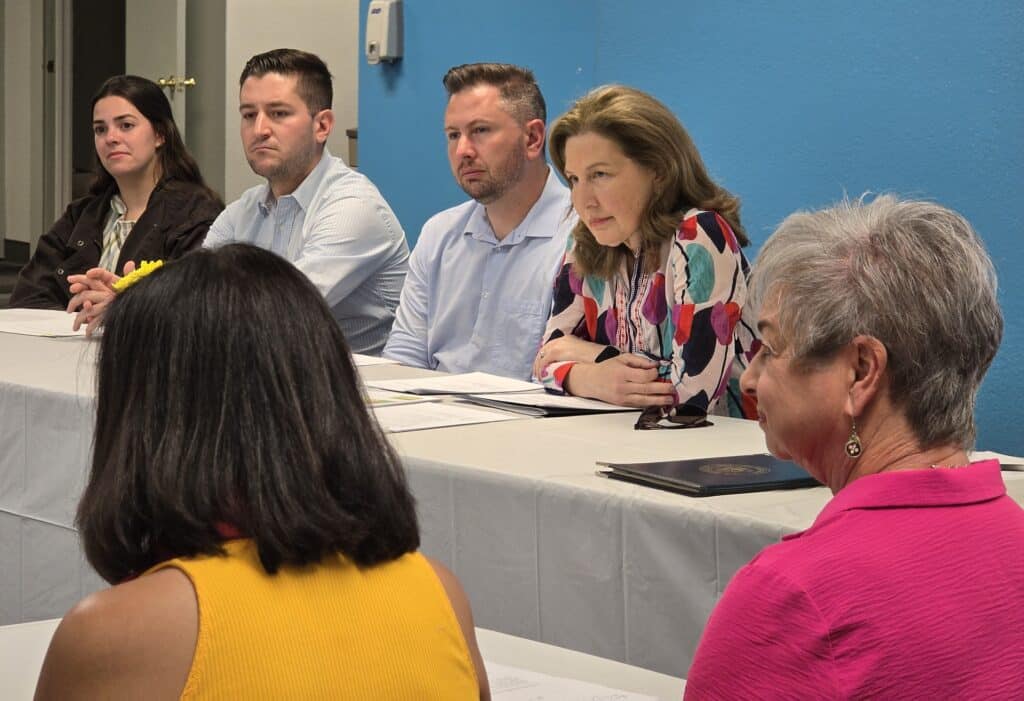
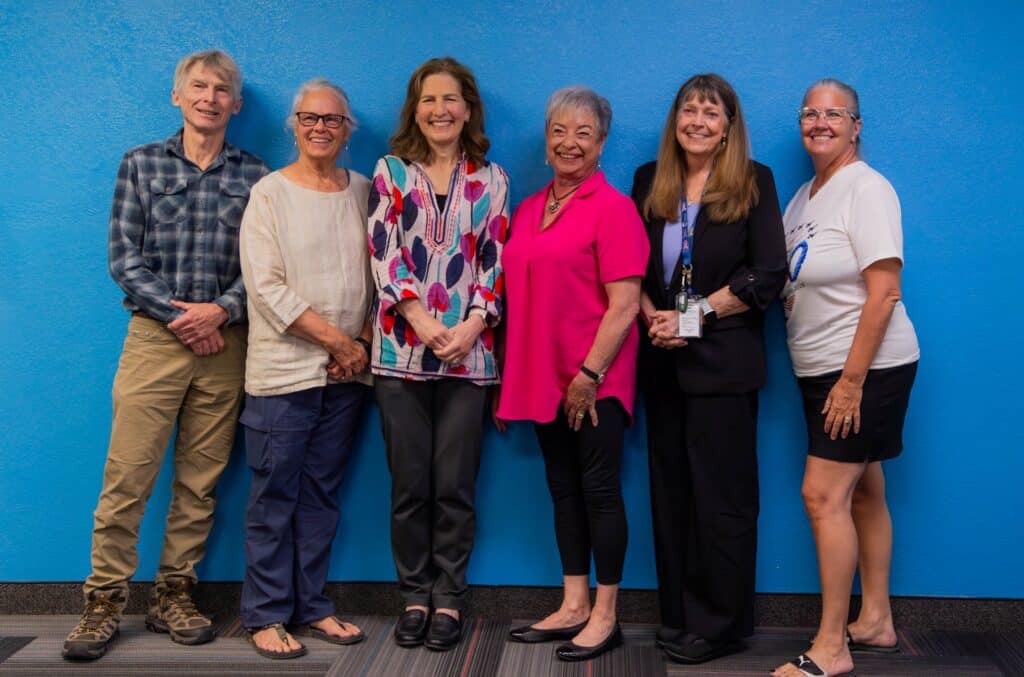
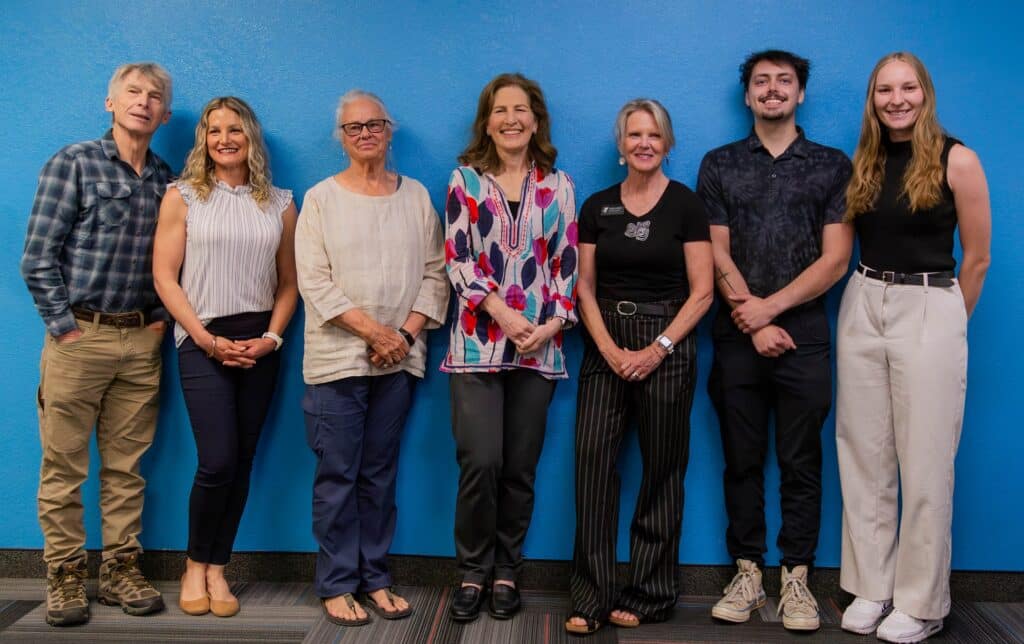
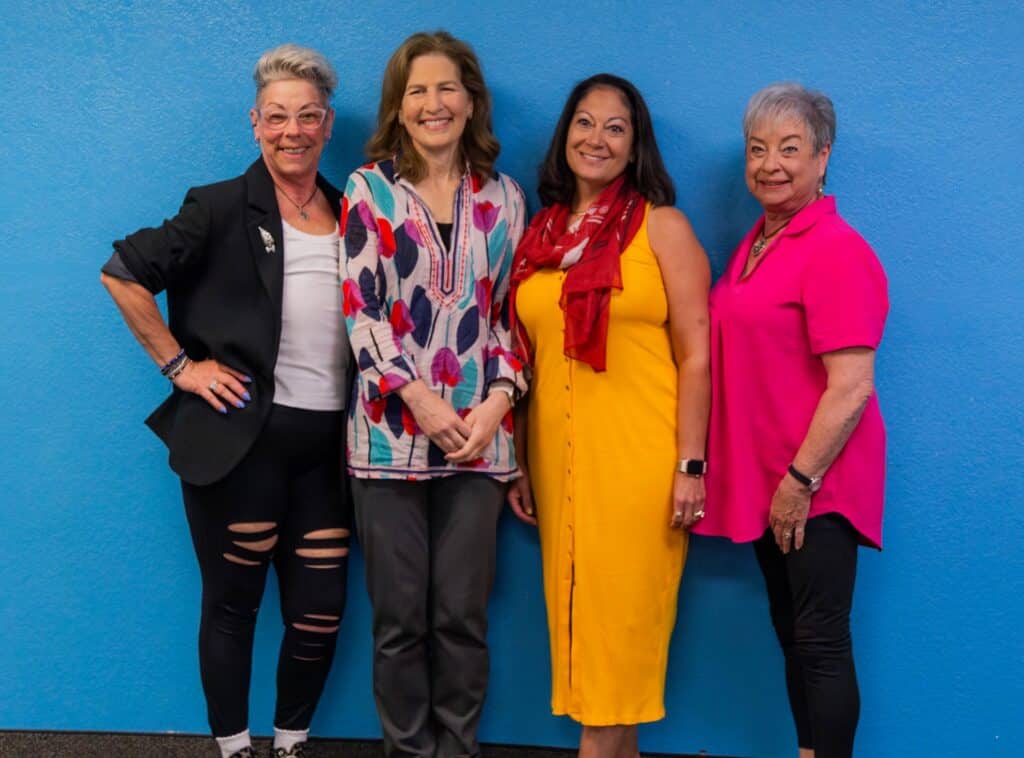
U.S. Representative Dr. Kim Schrier (Washington, District 8) recently met with members of the Confluence Health cancer care team, cancer researchers, and survivors—all with connections to the local EASE (Exercise and Survivorship Education) Cancer Foundation—to discuss the impact of cancer rehab and hopes that this vital care can be made more accessible.
U.S. Representative Dr. Kim Schrier (Washington, District 8) recently met with members of the Confluence Health cancer care team, cancer researchers, and survivors—all with connections to the local EASE (Exercise and Survivorship Education) Cancer Foundation—to discuss the impact of cancer rehab and hopes that this vital care can be made more accessible.
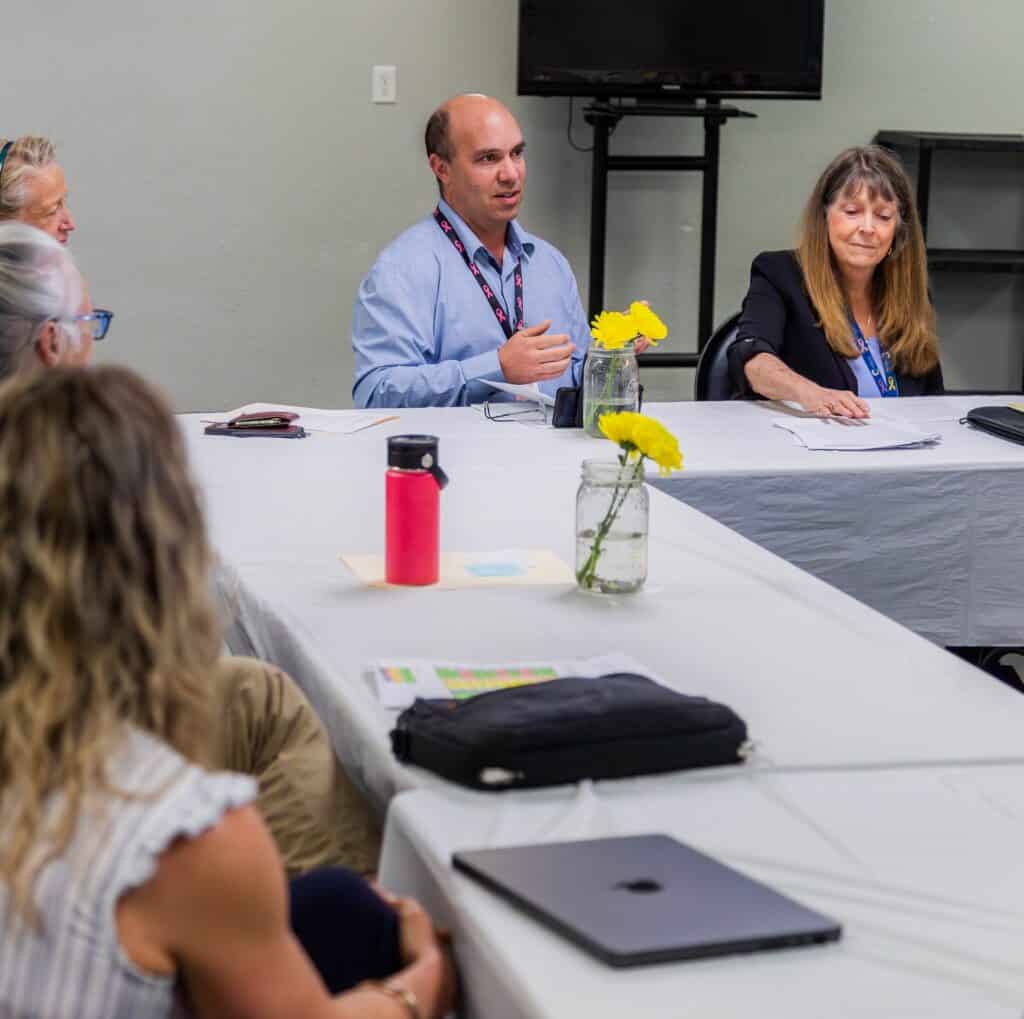
Katie Kemble, an oncology ARNP at Confluence Health and one of the founders and current president of EASE, led the discussion, focusing on the ways in which efforts to develop this program have had a demonstrable impact on cancer survivors, not only physically, but mentally as well by providing tools and resilience to do more than many thought possible. From Confluence Health, she was joined by oncologists Dr. Julie Smith and Dr. Nicolas Kummer who also discussed the impact cancer rehab can have on patients.
“Being a part of this program helped me with my anxiety and even just taught me that I could still go up the stairs by giving me the confidence,” explained one of the attending cancer survivors. “Thank goodness for EASE.”
In addition to the partnership with Confluence Health for the development of the program alongside oncologists and others involved in cancer treatment, the group also spoke to Congresswoman Dr. Kim Schrier about the research that had been done by Dr. Tim Burnham, a professor of exercise science at Central Washington University who also attended and discussed his work which continues to this day. Dr. Burnham has been essential to the creation and continued success of this rehabilitation program. Beyond the physical impact—which was demonstrated to be substantial—participants also described its impact in even more ways than had originally been expected.
“Rehab is so important, not just physically but mentally as well,” explained another survivor and program participant. “Just having the activation energy to come to this class, have the fellowship, and to hear from people who have really been there say they know how you feel…I can’t stress enough that this cancer rehab should be made available to all those who go through this.”
Cancer survivorship rehabilitation is a critical but often overlooked part of the cancer care journey. While advances in treatment are helping more people live longer after cancer, many are left dealing with fatigue, weakness, cognitive changes, and loss of independence that can significantly impact daily life. Structured, multidisciplinary rehabilitation—similar to what exists for cardiac or pulmonary conditions—has been shown to improve physical function, reduce symptoms, and help patients regain a sense of normalcy. The challenge isn’t a lack of evidence or need; it’s that cancer rehabilitation hasn’t been organized into a consistent, coordinated pathway adopted nationwide that patients and care teams can rely on. But despite this, the program developed by EASE in partnership with Confluence Health, Central Washington University, Wenatchee Valley YMCA, and others—in particular the biannual Cancer Survivorship Wellness and Rehabilitation Program—is life-changing for many.
“We’re there to hold each other up. I needed something where I could go, ‘Hey, I’m over treatment and don’t have anyone taking care of me day to day, but what do I do now?’” explained a third cancer survivor who also attended. “There’s no reason for [other facilities around the state to not have this.] Confluence Health has a lot to teach the whole state about cancer care.”
Right now, access to this kind of care is inconsistent and often comes too late, something the group hoped to impress upon Rep. Dr. Kim Schrier in hopes of encouraging change. Rehabilitation is frequently delivered as disconnected therapy visits rather than a cohesive program, and payment models such as Medicare don’t always support the kind of structured approach that leads to better outcomes. Without clear standards and measurable outcomes, it’s difficult for healthcare systems and payers to evaluate the impact or expand access—especially in community and rural settings where most patients receive care.
“If someone came to me with a pill that could hit all the metrics that this program can do,” added Dr. Kummer. “You’d have a billion-dollar drug. Exercise as a form of therapy is extremely effective…and it has great mental health benefits as well.”
The group urged Rep. Dr. Schrier to champion the effort, arguing there’s a clear opportunity to define and test a more coordinated model, making recovery more predictable for patients and more effective across the system. Though still early stages, Rep. Dr. Schrier expressed her thanks and deep interest in seeing what could be done to increase accessibility to this type of care.
For those presenting, this gave hope that others too might have the opportunities that literally changed their lives.
“This, the program, it works,” added a survivor. “I can run. I can ride bikes…It gave me a reason to live. I’m so lucky to live here. If I didn’t have access to this, I don’t think I would be alive.”
Related Articles
Find Your Expert Provider
Explore our full network of physicians, specialists and care teams — filter by service, language, location and insurance to find the right match for you.